Artificial Intelligence isn’t just a shiny new trend anymore. It’s woven into the way companies run, compete, and deliver value. By 2025, the question isn’t “Should we use AI?”—it’s “How do we get even more out of it?”
If you’re running a business or steering its strategy, the real edge comes from knowing where AI can make a measurable difference. Here are seven areas where it’s already doing just that.
1. Hyper-Personalized Customer Experiences


Customer segmentation used to mean grouping people into broad categories. Now, AI can tailor interactions in real time, across every touchpoint. Take e-commerce: algorithms study browsing history, past purchases, and even subtle facial cues (thanks to computer vision) to suggest exactly the right product. Sephora’s AI chatbot, for instance, offers beauty tips matched to skin tone and personal style—like having a personal shopper available 24/7.
Business impact: Higher conversion rates, happier customers, and greater lifetime value.
2. Predictive Maintenance in Manufacturing

“Smart factory” isn’t a buzzword anymore. Machines now have sensors feeding constant performance data into AI systems that can flag issues before they cause a breakdown. One global carmaker cut unplanned downtime by 40% after rolling out predictive AI monitoring.
Business impact: Millions saved in repairs, fewer production delays, and longer-lasting equipment.
3. AI-Powered Sales Forecasting

Guesswork is out. AI can pull from years of sales data, seasonal patterns, market signals, and even the weather to project demand with precision. A major FMCG company used it to rebalance its inventory, cutting stockouts by 30%.
Business impact: Better cash flow, smarter inventory decisions, and more efficient use of resources.
4. Intelligent Document Processing (IDP)


AI-powered OCR and natural language tools can now read and process invoices, contracts, and other documents faster than any human team. A multinational bank slashed its loan processing time from several days to just minutes using automation.
Business impact: Less manual work, better compliance, and much faster turnaround times.
5. Automated Customer Support with Emotional Intelligence

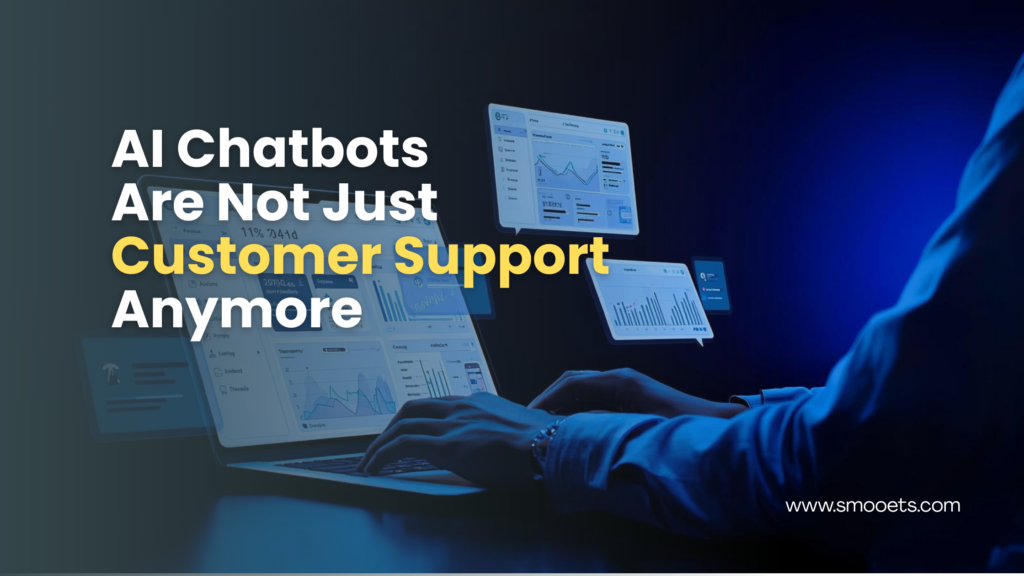
Modern chatbots do more than give canned answers. Using sentiment analysis, they can sense frustration and switch the conversation to a human rep when needed. Airlines, telecoms, and banks are already relying on these emotionally-aware bots to keep customers satisfied.
Business impact: Always-on support, lower churn, and stronger brand trust.
6. Fraud Detection and Risk Management


AI can catch suspicious activity almost instantly. In 2025, banks and insurers are using it to scan for unusual spending or claim patterns—sometimes before the customer even notices.
Business impact: Billions saved in fraud prevention, better customer confidence, and smoother regulatory audits.
7. Strategic Talent Acquisition

Hiring isn’t just about résumés anymore. AI-driven platforms can assess cultural fit using behavioral data, social media activity, and even vocal tone from interviews. Unilever, for example, screens thousands of applicants this way to make hiring faster and fairer.
Business impact: Quicker hires, less bias, and stronger long-term retention.
AI isn’t just a tool—it’s a business partner.
 The companies winning in 2025 aren’t simply automating tasks. They’re rethinking how their teams work, make decisions, and serve customers. If you’re looking to start, pick one of these areas that lines up with your biggest challenge, put it into practice, and build from there.